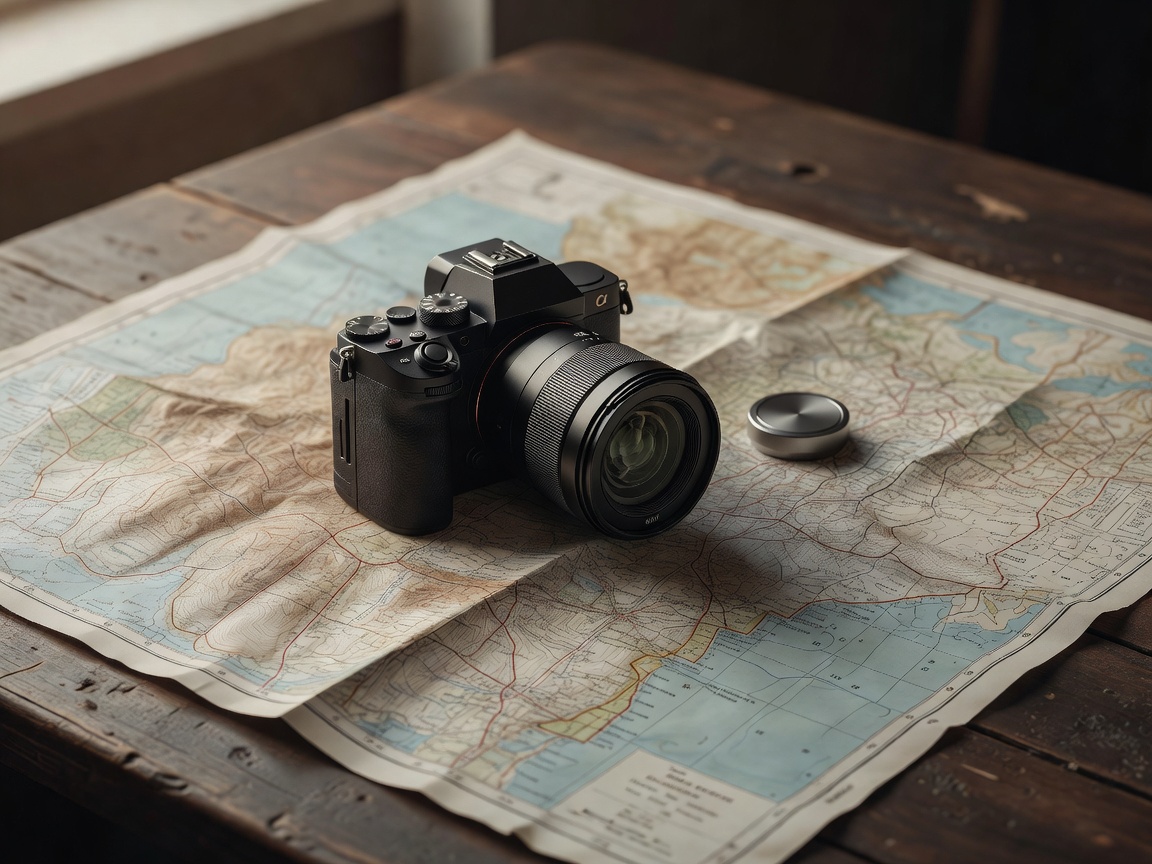
Curating a photography kit for travel is a brutal exercise in compromise. Every lens added increases carry-on weight, physical fatigue during hikes, and the risk of theft. Simultaneously, relying purely on a smartphone leaves content creators struggling with poor low-light performance and lack of optical zoom. The modern travel photography philosophy is about maximizing versatility while minimizing footprint.
The Rise of Compact Mirrorless and 1-Inch Sensors
The traditional DSLR is essentially dead in the travel space. Mirrorless cameras have removed the bulky internal mirror box, dramatically reducing the size of the camera body. When selecting a travel camera, sensor size is the primary factor dictating image quality, low-light performance, and lens size.
Full-Frame vs. APS-C
Full-frame sensors provide the highest image quality and dynamic range, but require large, heavy lenses to cover the wide sensor area. For many travellers, APS-C (crop sensor) mirrorless systems are the superior choice. The smaller sensor allows manufacturers to build drastically smaller, lighter lenses that still capture professional-grade imagery and 4K video.
For minimalists, premium point-and-shoot cameras featuring 1-inch sensors are incredibly capable. They fit in a jacket pocket, feature built-in variable zoom lenses, and significantly outperform the tiny sensors found in smartphones, particularly regarding natural depth-of-field.
Action Cameras and Mobile Gimbals
For adventure travel—skiing, scuba diving, mountain biking—traditional cameras are a liability. Action cameras dominate this space due to their extreme ruggedness and built-in waterproofing. The latest generation of action cameras utilizes sophisticated internal gyroscopes for digital image stabilization, eliminating the micro-jitters of walking or running without the need for mechanical gimbals.
However, for mobile filmmakers using smartphones, a collapsible 3-axis mechanical gimbal remains a valuable tool. Gimbals not only provide cinematic panning and tracking shots, but many now act as secondary power banks to keep the phone charged during long filming sessions.
Memory Card Speeds Explained
Investing in a high-end 4K camera and bottlenecking it with a slow SD card will result in dropped frames, corrupted files, and buffering delays. Understanding SD card ratings is critical:
- V30 (Video Speed Class 30): Guarantees a minimum sequential write speed of 30 MB/s. Adequate for most standard 4K video recording.
- V60: 60 MB/s minimum. Required for high-bitrate 4K or high-framerate (slow motion) capture.
- V90: 90 MB/s minimum. Essential for 8K recording or uncompressed RAW video formats.
Always travel with multiple smaller cards (e.g., four 64GB cards) rather than one massive card (e.g., one 256GB card). If a card fails or is lost, you only lose a quarter of your trip's data.
Supporting Gear: Tripods and Filters
A travel tripod is a compromise between stability and packability. Carbon fiber is the preferred material—it is significantly lighter and absorbs vibrations better than aluminum, though it commands a premium price. Look for models with reverse-folding legs that reduce the packed length to under 40cm, allowing it to fit horizontally in a standard carry-on backpack.
Finally, variable ND (Neutral Density) filters are essential for travel videography. Think of them as sunglasses for your lens. They allow you to manually dial in darkness, letting you shoot video at the optimal shutter speed in bright midday sun without blowing out the highlights. A single variable ND filter replaces the need to carry a bulky wallet of fixed-density filters.